Search This Blog

Showing posts with label Recipes. Show all posts

Sunday, January 27, 2013

Rhiannon's Tarka Dahl

Hi Everyone,
I have been so busy this past year I haven't been able to keep up with the blog... but I wanted to put together a recipe book for all the awesome recipes that our interns have brought and made for us... so here is our first installment, Rhi's Tarka Dahl!


Tarka Dahl (curried lentils)
1 lb lentils
1 onion
6 cloves garlic
Ginger
1 chili pepper
3 T turmeric
3 T Garam Masala (recipe below)
4 oz tomato paste
Lentils and 2x more water, add turmeric and ½ of the garlic whole simmer until tender. In frying pan fry onion until soft and slightly golden add rest of garlic finely chopped, 1 inch ginger root grated, fry til brown (in oil). Add Garam masala to onion mix, cook 2 mins stirring constantly. Add tomato paste and cook for 2 mins. (add chicken, veggies and coconut milk to make curry) Add seasoning and paste mix to lentils and cook for 30 mins.
Serve with rice.

Garam Masala
4 tbsps coriander seeds
1 tbsp cumin seeds
1 tbsp black peppercorns
1 ½ tsps black cumin seeds (shahjeera)
1 ½ tsps dry ginger
¾ tsp black cardamom (3-4 large pods approx)
¾ tsp cloves
¾ tsp cinnamon (2 X 1” pieces)
¾ tsp crushed bay leaves
Preparation:
Heat a heavy skillet on a medium flame and gently roast all ingredients (leave cardamom in its pods till later) except the dry ginger, till they turn a few shades darker. Stir occasionally. Do not be tempted to speed up the process by turning up the heat as the spices will burn on the outside and remain raw on the inside.
When the spices are roasted turn off the heat and allow them to cool.
Once cooled, remove the cardamom seeds from their skins and mix them back with all the other roasted spices.
Grind them all together, to a fine powder in a clean, dry coffee grinder.
Store in an air-tight container in a cool, dark place.

Enjoy!

Friday, July 15, 2011

Essential Oils!

Hi Ya'll,
Well, here we go again! We are gearing up for our Essential Oils order and I wanted to include some recipes and Ideas here for you to consider while you are ordering!

1/4 tsp Eucalyptus oil to 8 -10 oz water in a spray bottle is great for discouraging fleas on pup and kitty!
Lavender oil uncut, put immediately on a minor burn will reduce heat and stop burning.
Tea Tree oil is antifungal
Oregano oil is anti-viral and antibacterial... it is also safe both externally and internally

Many of you use Thieves Oil so here is a link to the research and recipe that I use 

http://shekinah-farm.blogspot.com/2011/06/thieves-oil-recipe-research-and-uses.html

Here is another link with some wonderful advise for using Essential Oils... Lots of good information!

http://www.essentialoils.co.za/treatment/index.htm

Share your recipes with us!
deodorizing, cleaning and sanitizing the home
health care
animal health
Tell us what you use!

Tuesday, June 7, 2011

Thieves Oil Recipe, Research and Uses

The recipe:

Clove Oil (syzgium aromaticum) 200 drops or 1/2 ounce   2 0z
Lemon Oil (citrus limon) 175 drops    1,75 oz
Cinnamon Bark oil (cinnamoomum verum) 100 drops 1 oz (can use leaf oil as substitute)
Eucalyptus oil (eucalyptus radiata) 75 drops      .75 oz
Rosemary oil (rosimarinus officinalis) 50 drops     .5 oz

Mix this and store in a dark glass bottle. Put it in a spray bottle and mist the air in your home or car. You can also put it in a pan of water on the stove on low or in a vaporizor or diffuser. (More uses below research)


The Black Plague and the Story of Thieves

As the bubonic plague decimated Europe in the year 1413, four thieves were captured and charged with robbing the dead and dying victims. When the thieves were tried, the magistrate offered leniency if they would reveal how they resisted contracting the infection as they performed their gruesome acts. They explained that they were perfumers and spice traders and told of a special concoction of aromatic herbs, including cloves and rosemary, that they rubbed on their hands, ears, and temples.

Thus, the proprietary Thieves essential oil blend was created based on research of the concoction used by the thieves of the 15th century.


Thieves Oil Blend has been scientifically tested at Weber State University, Ogden, Utah, and found to have a 99.996% kill rate against all airborne bacteria.  With lots of winter bugs threatening, (and the possibility of bird flu) this is a great oil to use regularly.

November 2006: The University of Manchester published findings from their extensive research on essential oils versus the hospital super bug MRSA. In every case study it was found that Thieves ingredients 100% destroyed MRSA.

Harvard and John Hopkins Universites have done studies, the conclusions… 50% of buildings, old and new, have mold. Resulting in a 50-100% increase in respiratory problems.The Mayo Clinic says – 1 in 7 Americans suffers from acute fungal sinustis, resulting from exposure to mold.

Effect of a Diffused Essential Oil Blend on Bacterial Bioaerosols

Author: S. C. Chao, D. G. Young, and C. J. Oberg
Journal: Journal of Essential Oil Research 10, 517523 (Sept/Oct 1998)
Location: Weber State University, Ogden, UT

Abstract: A proprietary blend of oils containing cinnamon, rosemary, clove, eucalyptus, and lemon was tested for its antibacterial activity against airborne Micrococcus luteus, Pseudomonas aeruginosa, and Staphylococcus aureus.

The bacteria cultures were sprayed in an enclosed area, and Thieves was diffused for a given amount of time. There was an 82% reduction in M. luteus bioaerosol, a 96% reduction in the P. aeruginosa bioaerosol, and a 44% reduction in the S. aureus bioaerosol following 10 minutes of exposure.

Conclusion: Diffusion of the oil blend, Thieves, can significantly reduce the number of aerosol-borne bacteria.

Eliminate Mold and Keep it from coming back with Thieves essential oil and Thieves Household Cleaner

Studies and Research

In 1997, studies conducted at Weber State University showed the Thieves essential oil blend to have a 99.96% success rate against airborne bacteria. The bacteria cultures were sprayed in an enclosed area, the Thieves oil blend was diffused for a given amount of time (this can be duplicated in the home using a cold-air diffuser).

Research conducted at Weber State University and Brigham Young University by D. Gary Young indicates that most viruses, fungi, and bacteria cannot live in the presence of most essential oils, especially those high in phenols, carvacrol, thymol, and terpenes.

Manage Bacteria, Mold & Viruses – The Battle Against Harmful Germs

The Thieves product line provides a full-spectrum force to fight enemy combatants on all fronts without harsh chemicals and medicines. Whether in the air, on surroundings, or inside or outside the body, Thieves products provide powerful antiseptic action with substances NOT toxic humans or the environment.

Many studies have shown that certain essential oils are often more effective against germs than harsh chemicals and drugs. This sample listing demonstrates how the use of Thieves products offer practical and flexible approaches to manage bacteria, fungi and viruses.

Essential Oil of Lemon

According to Jean Valnet, MD, the vaporized essence of lemon can kill meningococcus bacteria in 15 minutes, typhoid bacilli in one hour, Staphylococcus aureus in two hours, and Pneumococcus bacteria within three hours. Even a 0.2% solution of lemon oil can kill diphtheria bacteria in 20 minutes and inactivate tuberculosis. Essential Oils Desk Reference, 3rd Ed, p63

The proprietary therapeutic-grade essential oil blend in Thieves consists of: Cinnamon, Clove, Eucalyptus, Lemon and Rosemary.

Science on the effects of Therapeutic-grade Essential Oils in Thieves:

Clove

Effective Against: bacteria
Actinomyces viscosus

Compounds from Syzygium aromaticum inhibit growth of oral pathogens Streptococcus mutans, Actinomyces viscosus, P. gingivalis, and P. intermedia.

Cinnamon

Effective Against:fungi

Aspergillus flavus
Aspergillus fumigatus
Aspergillus nidulans
Aspergillus niger
Aspergillus parasiticus

Vapors of cinnamon bark oil prove to be a potent fungitoxicant against fungi which cause respiratory tract mycoses: Aspergillus niger, Aspergillus fumigatus, Aspergillus nidulans, Aspergillus flavus, Candida albicans, Candida tropicalis, Candida pseudotropicalis, and Histoplasma capsulatum.


Cinnamon bark oil, a potent fungitoxicant against fungi causing respiratory tract mycoses.
Singh HB, Srivastava M, Singh AB, Srivastava AK.
Centre for Biochemical Technology, Delhi, India.

Abstract Summary:
1: Allergy. 1995 Dec;50(12):995-9.

Cinnamic aldehyde has been identified as the active fungitoxic constituent of cinnamon (Cinnamomum zeylanicum) bark oil. The fungitoxic properties of the vapours of the oil/active constituent against fungi involved in respiratory tract mycoses, i.e., Aspergillus niger, A. fumigatus, A. nidulans A. flavus, Candida albicans, C. tropicalis, C. pseudotropicalis, and Histoplasma capsulatum, were determined in vitro as minimum inhibitory concentration (MIC), minimum lethal concentration (MLC), inoculum density sustained, and exposure duration for fungicidal action at MIC and higher doses, as well as effect of incubation temperatures on fungitoxicity. It is concluded that these inhalable vapours appear to approach the ideal chemotherapy for respiratory tract mycoses. Publication Types: Comparative Study PMID: 8834832 [PubMed.gov - indexed for MEDLINE]

Cinnamon oil caused inhibition of growth and aflatoxin production in Aspergillus parasiticus.
Abstract Summary:
1: J Environ Pathol Toxicol Oncol. 1994;13(1):67–72
Inhibition of growth and aflatoxin production in Aspergillus parasiticus by essential oils of selected plant materials.
Tantaoui-Elaraki A, Beraoud L. Department of Food Microbiology and Biotechnology, Hassan II Institute for Agriculture and Veterinary Medicine, Rabat-Instituts, Morocco.

We studied the effect of 13 chemically different essential oils (EO) on the mycelial growth of and aflatoxin synthesis by Aspergillus parasiticus. Cinnamon, thyme, oregano, and cumin EO were able to stop mycelial growth at only 0.1% in the medium, while curcumin, ginger, lemon, and orange EO were unable to inhibit totally the growth even at 1% concentration. Coriander, black pepper, mugwort, bay, and rosemary EO caused the growth to stop at concentrations between 0.2 and 1%. The EO most active upon mycelial growth were also the most active against aflatoxinogenesis. However, aflatoxin synthesis was inhibited by all the EO at higher extent than the mycelial growth. Publication Types: Research Support, Non-U.S. Gov’t PMID: 7823297 [PubMed.gov - indexed for MEDLINE]

Cinnamon essential oil caused inhibition of growth and aflatoxin production in Aspergillus parasiticus.

Candida albicans
Candida tropicalis
Candida kefyr

Vapors of cinnamon bark essential oil prove to be a potent fungitoxicant against fungi which cause respiratory tract mycoses: Aspergillus niger, Aspergillus fumigatus, Aspergillus nidulans, Aspergillus flavus, Candida albicans, Candida tropicalis, Candida pseudotropicalis (Candida kefyr), and Histoplasma capsulatum.

Abstract Summary:
Allergy. 1995 Dec;50(12):995-9. Related Articles, Links
Cinnamon bark oil, a potent fungitoxicant against fungi causing respiratory tract mycoses. Singh HB, Srivastava M, Singh AB, Srivastava AK. Centre for Biochemical Technology, Delhi, India.

Cinnamic aldehyde has been identified as the active fungitoxic constituent of cinnamon (Cinnamomum zeylanicum) bark oil. The fungitoxic properties of the vapours of the oil/active constituent against fungi involved in respiratory tract mycoses, i.e., Aspergillus niger, A. fumigatus, A. nidulans A. flavus, Candida albicans, C. tropicalis, C. pseudotropicalis, and Histoplasma capsulatum, were determined in vitro as minimum inhibitory concentration (MIC), minimum lethal concentration (MLC), inoculum density sustained, and exposure duration for fungicidal action at MIC and higher doses, as well as effect of incubation temperatures on fungitoxicity. It is concluded that these inhalable vapours appear to approach the ideal chemotherapy for respiratory tract mycoses.

~~~~~~~~~~~~~~~~~~

following are some of the uses & proportions to give you an idea:

~~~~~~~~~~~~~~~~~~

HOUSEHOLD CLEANER
One capful = 1/2 TBSP Thieves Household Cleaner costs 37 cents per capful wholesale. Thieves Booklet

LIGHT DEGREASING
1 capful Thieves Cleaner
3 3/4 cups water

MEDIUM DEGREASING
1 capful Thieves Cleaner
2 cups water

HEAVY DEGREASING
1 capful Thieves Cleaner
1 cups water

SUPER HAND CLEANER
1/2 cup Thieves Household Cleaner
1/2 cup water

FLOORS
1 capful Thieves Cleaner
6+ cups water

WALLS
1 capful Thieves Cleaner
2 cups water


DISHWASHER
1 capful Thieves Cleaner in dishwasher soap dispenser

POTS + PANS
1/2 capful Thieves Cleaner
3+ cups water

LAUNDRY WASHER
1-2 capfuls per load- no need to use detergent, bleach or fabric softener


CARPET CLEANER
1 capful Thieves Cleaner
6 1/4 cups water

GLASS + WINDOWS
1 capful Thieves Cleaner
5 quarts water


SUPER-WET-ONES
1/2 cup grain alcohol (vodka)
10 drops 4 thieves oils
1/2 cup water
1 teaspoon glycerin
paper towels

take folds of soft paper towels & lay side by side in a shallow dish. combine all wet ingredients in a glass bowl mix well. pour mixture over paper towels and press to saturate. stack the wet paper towels in a clean airtight container and cover. repeat with more towels until the liquid is all used up. any extra liquid can be kept in a jar with a tight fitting lid.

to use, put some moist towelettes into a ziplox baggie and put in your purse, car, or anywhere you'd like to have ....the power of SUPER-WET-ONES!!


Internal use tips (Make sure that you use food grade or organic oils for internal use)
Try these simple suggestions to incorporate Thieves in the body for extra protection.
+ Add 2–3 drops of Thieves into a capsule and take daily.
+ Add 1–2 drops into a spoonful of Agave.
+ Put 1–2 drops onto a piece of bread.
+ Add 1–2 drops to a glass of rice or almond milk.
+ Drop 1–2 drops directly onto your tongue.


Special Antibiotic Formula: In a OO capsule combine 10-12 drops of Thieves Essential Oil Blend with 6-8 drops of Oregano, and 2 drops of Frankincense.

Thieves Household Cleaner Proportion Guide

One capful of Thieves Cleaner = 1 tsp. Best if used with purified water (do not use water that contains chlorine).

A. All purpose Thieves Cleaner in a spray bottle: 1 capful Thieves Cleaner to 1 qt water

B. Light Degreasing: 1 capful Thieves Cleaner to 3 cups of water

C. Medium Degreasing: 1 capful Thieves Cleaner to 2 cups water

D. Heavy Degreasing: 1 capful Thieves Cleaner to 1 cup water

E. Window and glass cleaner: 1 capful Thieves Cleaner to 5 quarts water or 1/4 teaspoon to a quart of water for spray bottles

F. Hand cleaner: capful Thieves Cleaner to 1/2 cup water

G. Dishwasher: 1 capful Thieves Cleaner

H. Pot and Pans: 1 capful of Thieves Cleaner to 3 cups water

I. Floors: 1 capful Thieves Cleaner to 6 cups water

J. Walls: 1 capful Thieves Cleaner to a little less than 2 cups water

K. Fabrics: 1 capful Thieves Cleaner to 2 cups water

L. Laundry: Depending on size of washer, use 1 to 2 capfuls of Thieves Cleaner

M. Carpet: 1 capful Thieves Cleaner to 6 + cups water


101 uses

1. Dilute with V-6 Enhanced Vegetable Oil Complex and apply to cuts or open wounds to prevent infection and promote healing.

2. Mix with a tablespoon of water, gargle and swallow for a sore throat.

3. Apply undiluted directly to the skin of your upper chest and throat for bronchitis.

4. Place a drop on your thumb and apply to the roof of your mouth for a headache.

5. Put 10-12 drops in a size OO capsule undiluted and swallow daily for longevity.

6. For acne, take internally and apply to the skin diluted with Young Living’s V-6 carrier oil.

7. Put directly on the soles of your feet to protect you from colds and flu.

8. Breathe in the vapors when you have lung congestion.

9. Use to clean pet cages, creating a healthier environment for them.

10. Add to your dishwasher for cleaner dishes.

11. Add to your laundry cycle for cleaner clothes.

12. Add to your mop water for cleaner floors.

13. Mix with water to make a spray to repel insects on your flowers and plants.

14. Use to dissolve the gummy adhesive on price labels.

15. Apply to bee and wasp stings to neutralize the toxin and relieve the pain.

16. Apply to gums to prevent and treat gum disease.

17. Apply orally to maintain healthy teeth and reduce cavities.

18. Apply to gums and teeth for pain relief from toothaches.

19. Diffuse in homes or business to solve mold problems.

20. Add to orange juice and drink to reduce phlegm and congestion.

21. Apply to broken bones or joints for pain relief and to hasten healing.

22. Put a drop in your cup of tea for flavor and to maintain health.

23. Put on the tip of your tongue to help you stop smoking.

24. Put on cold sores and canker sores to make them disappear.

25. For warts, apply topically, inhale and ingest in capsules to make them disappear.

26. Rub on sore joints to relieve arthritis pain.

27. Drink a few drops in water or juice every three hours to stop a cold.

28. Place a drop on the tongue and a drop in a glass of water every day for herpes.

29. Rub on the bottoms of children’s feet for protection before school every day.

30. Diffuse in the house as your children come home from school every day to kill airborne bacteria.

31. Mix 50:50 with V6 vegetable oil and rub on daily for relief of shingles.

32. Apply a drop on wound of a cat or dog to enhance healing.

33. Diffuse in the home or office to stimulate a cheerful mood.

34. Diffuse in the office to increase concentration and work efficiency.

35. Diffuse in your place of business to ward off germs.

36. Diffuse in the classroom to reduce student sickness and absenteeism.

37. Put a few drops in your carpet steamer/cleaner to disinfect carpet.

38. Mix a few drops with honey or agave in a teaspoon for cough relief.

39. Breathe and apply for sinus headaches.

40. Put a drop on a pimple to make it shrink and disappear.

41. For laryngitis put a drop under your tongue to restore your voice.

42. Inhale for relief of allergy symptoms.

43. Take a capsule full every day for relief of Lyme disease symptoms.

44. Carry a bottle on every flight to protect you from germs on the plane.

45. Drop in the heat/AC vents of a hotel to rid it of airborne germs.

46. Mix with baking soda to clean bathtubs.

47. Apply undiluted to the toes and feet to combat fungus.

48. Apply to poison ivy rashes (may need to be diluted with vegetable oil) to relieve the itch.

49. Drop Thieves Oil Blend on a cloth to remove permanent marker stains.

50. Sanitize pierced earrings by cleaning with Thieves Oil Blend.

51. Rub on the big toe before retiring to help with proper vision.

52. Applying Thieves Oil Blend, diluted 1 drop oil to 5 drops V-6 Mixing Oil, may be helpful in soothing pinkeye

and other eye inflammations. (Do not get in the eye.)

53. Apply 1 drop of Thieves Oil Blend onto toothbrush to sanitize.

54. Use for bathrooms and toilets to sanitize and freshen.

55. Use to cut grease on kitchen counters and stovetops.

56. Use to mop floors to clean and disinfect.

57. Apply to hands to remove stubborn, sticky substances like tree sap.

58. Use to wash fruits and vegetables from the supermarket.

59. Add to the water in your vacuum cleaner/steamer to cleanse the air and disinfect the carpet.

60. Spray along ant trails in the house to keep them out.

61. Use to wipe chairs and furniture in school classrooms to cut down on student sickness.

62. Scrub old floors to remove old varnish and prepare for refinishing.

63. Clean upholstery.

64. Clean the upholstery and dashboard of your car.

65. Soak off burnt food in pots and skillets.

66. Wipe or soak garbage cans to get them clean, sanitary and smelling fresh.

67. For tough stains, pour it on as a pre-wash stain remover.

68. Use undiluted to clean and kill mold on walls and floors or degrease oven.

MOLD SOLUTION

Diffuse the Thieves Oil Blend continuously for 24 hours in the room

containing mold. Determining the length of diffusion time is directly

related to the severity of mold. Clean visible mold with Thieves Household Cleaner.

TO PREVENT MOLD

a) Diffuse Thieves essential oil

b) Eliminate leaks and moisture.

c) Clean thoroughly using Thieves Household Cleaner

USES FOR ANTIMICROBIAL THIEVES LOZENGES

69. Take with the first sniffle and signs of a cold or sore throat to ward it off.

70. Take prior to singing performances to keep the voice strong and to hit the high notes.

71. Use to hasten the healing when a cold or flu has been contracted.

72. Suck on one as you enter an airplane to protect you from germs onboard.

USES FOR ANTIMICROBIAL THIEVES MOUTHWASH

73. Rinse daily for clean breath and to keep teeth and gums healthy.

74. Gargle (and swallow) before a singing engagement to clear mucus.

74-a. Put 1/2 to 1 teaspoon in water pic.

USES FOR THIEVES WATERLESS HAND PURIFIER

75. Use as a healthy alternative to soap and water to sanitize hands.

76. Rub on hands to make them soft, fresh and smooth.

77. Apply to face to clear acne.

USES FOR ANTIMICROBIAL THIEVES BAR SOAP

78. Rub on stains as a pre-wash stain remover.

79. Use as a deodorant or antibacterial hand soap.

USES FOR ANTIMICROBIAL THIEVES SPRAY

80. Spray on doorknobs in public restrooms to kill germs.

81. Spray in the throat to restore a lost voice.

82. Spray hands before and after shaking hands with a lot of people.

83. Spray in restrooms on airplanes to reduce airborne bacteria.

84. Spray on vegetables and fruits when washing them.

85. Carry for protection in countries with cholera, malaria or dysentery.

86. Use as an air freshener for cooking odors or other unwanted smells.

87. Take to the gym and spray all the equipment you use.

88. Take to the supermarket and use to disinfect shopping cart handles.

89. Use in the classroom for desks, tables and other items handled by children.

90. Spray in your mouth and throat at first onset of cold or bronchitis.

91. Spray on shower stalls and bathroom walls to kill and remove mold.

USES FOR ANTIMICROBIAL THIEVES TOOTHPASTE

92. Brush every day to prevent cavities and gum disease.

93. Use when teeth have been damaged or broken to help them heal.

94. Use to prevent or heal gum disease.

95. Apply as an underarm deodorant.

USES FOR ANTIMICROBIAL THIEVES WIPES

96. Wipe doorknobs and other things touched by the public.

97. Wipe dirty piano keys to clean and disinfect.

98. Use to clean children’s hands when traveling.

99. Use on the steering wheel and gearshift of your vehicle.

100. Use on public telephones to remove germs.

101. Use on public computer keyboards and mice.


Friday, April 29, 2011

4 Thieves Vinegar

Here is a recipe for a type of thieves vinegar, rather than oil. It can be used as an insect repellent (lots of mosquitoes and ticks out there right now). This is great to have on hand and is made with fresh or dried herbs. Here is the recipe:

4 Thieves Vinegar
  • 2 quarts - apple cider vinegar
  • 2 tablespoons - lavender
  • 2 tablespoons - rosemary
  • 2 tablespoons - sage
  • 2 tablespoons - wormwood
  • 2 tablespoons - rue
  • 2 tablespoons - mint
  • 2 tablespoons - fresh, chopped garlic
Combine dried herbs (except garlic) and vinegar in a one-gallon jar with lid, and soak in the sun for 2 weeks, shaking often. Then strain out the used herbs, and retain the herbal liquid mixture. Add several cloves of crushed garlic, and close lid. Let soak for three days, and strain out the garlic fiber and discard. This liquid tincture needs to be stored in a cool place, like the refrigerator, or it can be preserved by canning. Fill canning jar with boiling liquid tincture to within one-half inch of top. Cap with rubber seal canning lid, tighten ring, and turn hot jar upside down; leave it undisturbed until it cools to room temperature. This will cause the jar to seal. Don’t forget to date and label it.

Saturday, April 16, 2011

Cold and Flu Remedies

For sore throat and upper respiratory

1 oz dried sage
3 c water
honey
lemon juice (1 Tbsp)
Cayenne

Boil sage in water until liquid is reduced to half. Let it cool. Strain and press to remove liquid from the sage. Reheat liquid to warm, add honey to taste. Let cool, add lemon and a pinch of cayenne. Store in refrigerator for up to 2 weeks.

Take 1 Tbsp - 1 cup as needed for upper respiratory or sore throat.


Steam for respiratory ailments:
2 oz eucalyptus
1oz sage
1 oz juniper
1 gal water

Bring to a rolling boil, remove from heat, cover head and bowl/pot with towel and breathe steam deeply into lungs. Return to heat and repeat as necessary. Add fresh herbs as aroma diminishes.


Sinus Infection Nasal Spray

5 drops each of  the following tinctures:
eucalyptus
usnea
echinacea
sage
juniper

3 drops grapefruit seed extract.

Place tinctures in a 1 oz nasal spray bottle, add distilled water to make 1 oz.

Spray into nostrils as needed.

Friday, April 15, 2011

Cure for Intestinal Parasites

2 oz dried wormwood
2 qts filtered water

(this is very bitter)
Place wormwood in container, pour near boiling water over top and cover tightly. Let sit overnight.

Strain and press to remove as much liquid as possible.

Drink 1 cup, 4 times daily for 8 days to rid intestines of worms and parasites.

Thursday, April 14, 2011

Immune System Boosting Herbs and Foods

Top Ten Immune Boosting Herbs/foods

Ashwagandha (powerful coagulant)
Astragalus (Add Astragalus root to rice for a great immune boost.)
Boneset (Native to North America, exceptionally effective treatment of colds and flu)
Garlic
Ginger Root
Onion
Red Root Ceanothus spp (A 'need on hand' herb for infected wounds, lungs, and lymph system. Other Species include: California Lilac, cleavers (food herb) and poke root (drug herb) )
Shiitake Mushroom
Siberian Ginsing
Foods/Herbs high in Vitamin C

Herbal defenses against illness (Immune boosters)

Broth:
3 cups water
1/2 cup vegetable stock (to flavor)
6 slices dried astragalus root
3 Tbsp dried garlic powder (or 10 cloves peeled fresh garlic)

Simmer all ingredients for 2-3 hours covered. Strain. Use if you begin to feel ill... drink entire recipe. If you use fresh garlic, eat garlic separately with the broth.


Fall Soup (for Immune boosting)

8 c homemade vegetable or chicken broth
1 Tbsp olive oil
1 diced onion
1 minced large garlic bulb
1 piece of fresh gingerroot about 1 1/2 inches, grated
5 pieces sliced dried astragalus root
2 c fresh, sliced Shiitake Mushrooms
1 lg Reishi Mushroom, whole
Cayenne, salt and pepper to taste

Add other ingredients high in vit. C.

Saute onions, garlic and ginger in olive oil until saft. Add all other ingredients (except cayenne, salt and pepper) and  simmer for 2 hours. Remove from heat and let stand 2 hours. Remove astragalus and reishi mushroom. Reheat and add spices to taste.

Wednesday, April 13, 2011

Herbs for Food Borne Pathogens

Many food borne pathogens are contaminating our food supply. Even though most of us try to eat healthy, organic foods, these pathogens can come from many sources. Spices and herbs have been used since the beginning of time to keep us safe from these pathogens. Most traditional spice blends used today are known for their country of origin: Five-Spice, Mexican Salsa spice, Indian Curry Blend, Chili Powder. Here are some powerful blends of herbs and spices that you can create to keep you and your family safe.

Chili Powder
capsicums, onion, paprika, garlic, cumin, oregano

Five-spice Powder
white or black pepper, cinnamon, anise, fennel, cloves

Salsa
capsicums, onion, garlic, tomatoes, lime

Curry Powder
tumeric, curry leaves, cumin, cardamom, ginger, mustard, coriander


Effectiveness of Antibacterial Spices:
100% effective: garlic, onion, allspice, oregano

75-90%  thyme, cinnamon, tarragon, cumin, cloves, lemongrass, bay leaf, capsicums, rosemary, marjoram, mustard

50-75%  caraway, mint, sage, fennel, coriander, dill, nutmeg, basil, parsley

25-48%  cardamom, pepper, ginger, anise seed, celery seed, lemon or lime juice

Tuesday, April 12, 2011

Cold and Flu Tea

This recipe is from Herbal Antibiotics by Stephen Harrod Buhner

2 tsp sage
juice of 1 lemon (1 tsp lemon balm herb)
pinch of cayenne pepper
1 Tbsp honey

Pour 1 cup boiling water over sage and allow to steep for 10 minutes. strain out herbs, add remaining ingredients and drink hot.

Thursday, April 7, 2011

Natural Remedies for Radiation Exposure

Someone sent me an email with this information... I could not find the source, but the information is valid and I thought some of you might like it. I wish I could give credit for the person who pulled it together.But I will give a "Thank You" and hope whoever wrote this will not be upset that I have posted it here. ~Christie

Fears about nuclear radiation have certainly come to the forefront in the past few weeks. It’s a peculiar kind of threat in our modern times – we can’t see it, nor, for the most part, do we really understand it.  Depending on your age, your experience with nuclear threats could includeBert the Turtle and his advice to simply “duck and cover”, the meltdown at Three Mile Island, the horrifying spectacle of Chernobyl, or perhaps just the vague notion that it has something to do with the place where Homer Simpson works.  We now add a new chapter – the continuing crisis at Japan’s Fukushima nuclear complex.

Fueled by fearful media speculation and a distrust of government reports, people are seeking ways to protect themselves and their animals from the looming threat of excessive exposure to nuclear radiation.  In doing research for our customers about the best natural solutions, we were reminded of the profound powers of nourishing foods and herbs that, when used regularly, provide a protective barrier against all manner of current environmental threats, including nuclear radiation. The truth is, we live in a radioactive world. We receive radiation from the sun, from the earth, from the food we eat, from airplane travels, and from countless electronics in our day-to-day life.

Following are suggestions and shared recipes of simple herbs and foods to help prevent damage from radiation and other environmental toxins.  They’re simple, affordable and effective, and it's easy to incorporate some or all of them into your daily life.

PLEASE NOTE:  Potassium iodide has found itself in the limelight, despite the fact that no health care organizations, physicians or others in the health care community (including us!) are advocating its use unless you live in the immediate vicinity of a nuclear meltdown.  Potassium iodide is potentially very dangerous to healthy individuals, it can only be used short term (no longer than two weeks), and it only protects the thyroid, not other parts of the body, in the event of extreme radiation exposure. Please be responsible and do your research before purchasing or taking potassium iodide.

Add Sea Vegetables (Seaweed) to Your Diet
(Kelp, Bladderwrack, Nori, Kombu, Wakame, Dulse etc.) The iodine in sea vegetables helps draw out radiation and protect the thyroid from radioactive uptake. If we have sufficient natural iodine in our bodies (Iodine 127 is the only natural iodine isotope), our bodies will not take in the heavier iodine 131 from radioactive particles. According to herbalist and internationally acclaimed seaweed expert Ryan Drum, if we continually take in 150 micrograms of iodine 127 daily, we will most likely be protected from adverse reactions to exposure to nuclear radiation, plus a host of other common environmental toxins.  We can do this by eating 3-4 teaspoons (5-10 grams) or taking 6-8 capsules (00 size) of seaweeds daily.

Incorporate seaweeds into favorite foods like soups, rice, muffins, even cookies!!  Mild dried seaweeds are pleasantly crunchy and salty, and make a delicious snack. For our animal companions we can sprinkle small amounts of powdered seaweed on their food.  Humboldt Herbals offers Dot’s Wonder Pet Powders that contain seaweeds and immune supportive herbs.

Related to the seaweeds are the algae including Chlorella and Spirulina, a blue-green algae first developed as a supplement in Japan, which has undergone serious investigation for its antitoxic, antioxidant and antitumor effects. Interestingly, the Japanese are the biggest consumers of not only Chlorella but also seaweed, suggesting that Japanese are way out in front when it comes to addressing the issues of radiation toxicity.


Eat Orange and Dark Green Foods
Japanese researchers found that diets high in carotenes significantly reduced DNA damage in humans exposed to radiation. Supplements of beta-carotene (or of vitamins C or E) did not show this effect. Eating lots of orange and dark green foods (sweet potatoes, winter squash, beets, carrots, kale, collards, chard, and spinach, for example) can protect you from radiation-induced cancers.


Eat Your Broccoli
Guinea pigs bombarded with radiation lived a lot longer if they ate broccoli or cabbage. All cabbage family plants - including arugula, turnips, radishes, cauliflower, mustard greens, bok choy, Brussels sprouts, kale, collards, and of course broccoli - protect your cells from the damaging effects of radiation.


Miso Broth
Miso broth is the classic food for prevention of radiation damage.  Miso is amazing medicine- containing live cultures, minerals, amino acids, and protein that support all the body’s systems and provide a radioprotective benefit.  There’s twice the protection if a quarter-ounce/5 grams of dried kelp seaweed is added to the soup. In scientific studies, seaweed was able to neutralize radioactive isotopes in the human body. Researchers at McGill University say radioactive strontium binds to the algin in brown seaweeds to create sodium alginate, a compound easily and harmlessly excreted. Common black tea exhibited the same anti-radiation effects in several Japanese studies.

You’ll find a variety of miso pastes in the refrigerated section of most grocery stores.  Click this link to learn more about delicious miso.


Black & Green Teas
In Fighting Radiation and Chemical Pollutants with Foods, Herbs, and Vitamins (Vitality, 1991), Steven Schecter tells us that both black and green tea showed "radioprotective effects" whether taken before or after exposure to radiation. Among other modes of operation, tea catechins absorb radioactive isotopes and remove them from the body before they do damage. The action is similar he says, to that of sodium alginate (the "active ingredient" in kelp seaweed).


Mushrooms
Eating any amount of reishi (a mushroom) reduces damage from radiation.  Shiitake mushrooms do the same. If eating mushrooms isn’t your thing, Life Shield Immunity capsules from New Chapter are a wonderful blend of medicinal mushrooms that offers comprehensive deep immune support and radioprotective benefits. (Available at Humboldt Herbals)


Burdock Root
Burdock root (Arctium lappa) removes radioactive isotopes from the body. A dose is 1-4 ounces/300-120 grams of cooked fresh root, up to a pint of infusion daily, or several large spoonfuls of vinegar (but only if made with fresh roots).  You’ll find fresh burdock roots in the produce section at natural food stores.  In Japanese cuisine it’s called “gobo.”

Daikon radish has been used for drawing radiation, post nuclear fall out. You can make a delicious shredded salad that’s cooling and detoxifying with daikon, burdock and carrots – yum!


Beans
Dried beans, especially lentils can reverse DNA damage done by radiation. So can red clover (Trifolium pratense) and astragalus (Astragalus membranaceous) - two powerful members of the legume (bean) family.


Homeopathy
Homeopathic remedies can be taken before and after exposure to radiation: Plumbum (lead) is said to help those who feel overwhelmed and in need of protection. Belladonna is used to prevent and relieve radiation burns and pains - even long after the immediate exposure.


Eat Foods Rich in Selenium
Selenium protects DNA from radiation damage and helps prevent damage to the skin surface, too. Get plenty of selenium by eating a daily dose of 2 cups/500 ml of nettle infusion, one-half ounce/15 g kelp, 2 ounces/60 g cooked burdock root, or 1 cup/250 ml organic yogurt daily. Shellfish, green and black teas, and garlic contain significant amounts of selenium, as do many mushrooms. The best sources however are nettles (2200 mcg per 100 grams), kelp (1700 mcg/100 g), burdock (1400 mcg/100 g), catnip (Nepeta cataria), ginseng, Siberian ginseng, and astragalus.


American Ginseng
In clinical trial with humans, those who took American ginseng extract (Panax quinquefolium) for thirty days following exposure to radiation showed hastened recovery from injuries to their bone marrow, organs, skin, and blood cells according to Paul Bergner in The Healing Power of Ginseng, The Enlightened Person's Guide, Prima, 1996. He quotes Japanese researcher Dr M. Yonezawa as saying that "ginseng appears to be the most useful agent available for protection against radiation damage."


Nourishing Herbal Infusions
It’s important to keep yourself well nourished if you are exposed to radiation. Make it a habit to drink at least two big cups of nourishing herbal infusion daily. Nettles, red clover, and violet leaves supply generous amounts of the nutrients you need most: protein and minerals, especially potassium and zinc.


Other Herbal Allies
Great herbal allies to help your body eliminate heavy metals and radiation are nettle tea, cilantro, and milk thistle (helps your liver process toxins).  Deep immune building benefits are provided by astragalus, eleuthero and ginseng.  Yarrow Environmental Solution Essencefrom Flower Essence Services is a beautiful formula to support the body in environmental disasters, especially radiation.  Teas from Humboldt Herbals including Detoxify Tea, Blood Building Tea, Calcium Support Tea, I Love My Liver Tea, and Immune Boosting Broth are a lovely way to fortify your body and immune system, and our Savory Seasoning Sprinkle is packed with seaweeds and nutritive herbs!

For best results, cook with the herbs (kelp, astragalus, Siberian ginseng, ginseng, reishi, cilantro and burdock), brew nourishing herbal infusions with them (nettles, red clover, astragalus, burdock, catnip, and ginseng), make mineral-rich vinegars with them (nettles, burdock, catnip, cilantro, ginseng, and astragalus), or take a high-quality tincture of them (burdock, ginseng, Siberian ginseng, astragalus).


Epsom Salt Bath
Many natural health practitioners recommend bathing in Epsom Salts and baking soda to help neutralize exposure to radiation, especially after x-rays or long airplane flights. Epsom salt is not actually a salt at all, but the natural mineral compound, magnesium sulfate. It can be used internally as a natural laxative, or externally, as a soothing, healing soak for the body. Why is an epsom salt bath beneficial? Because the magnesium and sulfates are readily absorbed into the body, imparting their own particular health benefits.

Magnesium is an incredibly valuable mineral, one that many people are deficient in. It is involved in hundreds of different enzyme activities. It is needed for the metabolism of other minerals, the proper use of insulin, efficient muscle and nerve function, and for restful sleep. Balancing with calcium in the body, magnesium helps to maintain a normal heart beat and blood pressure. It protects artery walls in times of stress, and prevents the calcification of soft tissue. Deficiencies can be linked to common issues, such as insomnia and irritability, and even heart disease. Sulfates disinfect the blood and flush toxins from cells. This detoxification effect may be why Epsom salt baths are soothing for people who suffer from arthritis and joint pain. Protecting the body against the harmful effects of pollution and radiation, they help to slow the aging process. Sulfates are also necessary for the synthesis of new collagen, which is needed for healthy, young-looking skin.

Baking soda, which is technically sodium bicarbonate, has an alkalizing effect on the body. This can be very important in cases of over-acidity, which is common with the typical western diet. Red meat, cheeses, sugar, and refined foods are acid-forming. A baking soda bath acts to neutralize this effect. It is also useful for detoxing from an overuse of alcohol, caffeine, medications, and nicotine. After soaking in this compound, the body generally feels refreshed and renewed, with the added benefit of soft, supple skin.

For the bath, add one cup each of Epsom salt and baking soda to a hot bath, stirring with your hand to ensure that everything dissolves. Soak for at least 20 minutes, then rinse in a warm shower.  Ahhhhhhh. . . .

Recipes


To make a nourishing herbal infusion:
~ Put one ounce of dried herb into a quart jar; fill jar to the top with boiling water and cap tightly.
~ Strain after 4-8 hours and drink hot or cold. 
~ Refrigerate what you don't drink right away; drink that within a day.

To make an herbal vinegar:
~ Fill any size jar with fresh herb (best!!) or one quarter full of dried herb (not nearly so good). 
~ Pour room temperature apple cider vinegar over the herb, filling jar to the top. 
~ Cover with plastic wrap or a cork. 
~ Label with date and name of plant. 
~ Let sit for six weeks. 
~ Decant into a pretty bottle and use to season soups, beans, and salads.

Magical Medicinal Miso* Soup 

Saute one onion, sliced thin, until translucent. Add water, seaweed of choice (Kombu and Wakame are especially tasty), shitake mushrooms (dried or fresh), burdock root, carrots, and any other hearty roots you like. Simmer for 25 minutes.
If you’d like you can add shredded or sliced ginger near the end, so it’s strong, and some garlic. You can also add greens, like kale or spinach.
Because you don’t want to boil your miso, it’s best to put a large dollop of miso paste in each bowl and then pour the broth on top to dissolve it.  Drink bowls and offer bowls to all your loved ones and neighbors, kiddos and pets, family and friends.

Nourishing Sea Green Soup
(from Valerie Cooksley’s book: Seaweed)
This soup is detoxifying to the body, eliminating extra fluid and contaminants.  It has cleansing, rejuvenating, and energy-giving properties, and is steeped with nourishing benefits owing to its high-mineral content and chlorophyll –filled sea vegetables and field greens. For heartier soup one can increase soup stock to 2 quarts and add whole wheat soba noodles during the last 5 minutes of cooking.
1 ½  quarts soup stock (or 2 low sodium vegetable broth cubes)
¾ cup dried sea vegetables (assortment of kombu, wakame, nori, dulse, hijiki, alaria, etc.)
1 large sweet onion chopped
2 celery stalks chopped
2 carrots thinly sliced
6 cloves of garlic, chopped
½ cup green onion
3 tbsp. extra virgin olive oil
2 cups fresh spinach, chard, beet greens cabbage etc. chopped
Pinch of cayenne pepper
Black Pepper to taste
5 slices fresh ginger root
2 tbsp. Soy Sauce or Tamari
1 tbsp. miso
½ tsp. Celtic Sea Salt

Get Your Daikon Easy Shredded Salad

Shred 1 carrot, 1 daikon radish, and one carrot-sized burdock root

Mix with sesame oil and a little umeboshi vinegar (also a great medicine!), sesame seeds, whatever fresh herbs you’ve got on hand (I love mint or cilantro), and a little tamari. Eat and feel alive and well thanks to the plants, the sun, the water and the farmers.


Sesame Kelp Brittle

Recipe courtesy of the folks at She Sells Seaweed
~1/2 Cup Brown Rice Syrup
~1/4 Cup Olive Oil
~Dash of shoyu soy sauce
~1 cup sesame seeds
~1/2 Cup crushed Almonds
~1/4-3/4 cup or to your liking of finely crushed kelp (set oven on low heat and bake kelp for 10 min or until crisp and grind in food processor)

~2-3 tsp of fresh finely chopped ginger root
Heat syrup, oil and soy sauce in small sauce pan. When mixture begins to foam up add seeds, nuts, kelp, and ginger, and stir thoroughly. 
Line a large cookie sheet w/parchment.
Spread mixture onto parchment and then cover with another piece of parchment and roll out flat w/rolling pin (or glass or jar!). Remove top parchment.
Bake at 350 degrees for 10 minutes—and then for the last few minutes check every minute until golden. Remove from oven and rip away parchment after 5-10 minutes. Break into pieces and enjoy!!

Rosehip/Orange Jam (from Christa Sinadinos)
Concerned about potential radioactive exposure from Japan? Pectin is highly ionic and can draw and hold radioactive compounds, environmental toxins, and heavy metals. It enhances detoxification. Orange peel and rosehips contain pectin. Consider making a simple jam with 3/4 cup rosehips c/s 1/4 cup orange peel and 2 cups apple juice; steep overnight. Keep refrigerated and eat a tbs or two a day. Yum

Spring Detox Soup
1/2 celery bunch

1 butternut squash
2 cups shiitake mushrooms

1 onion

1 head broccoli

1 bunch beets

1 clove garlic

1 can tomatoes

6 cups stock
1 tsp smoked paprika
Chop up all the vegetables. In a large stock pot, add the beef stock and the chopped vegetables and the garlic and paprika. Add in the canned tomatoes. Bring to a boil. Reduce and simmer for 30 minutes until the vegetables are cooked through. Puree in a blender.

Wednesday, March 9, 2011

Project of the day ... limes

Well, we were blessed with a case of limes... now what? 

We gathered up all the ice trays and started juicing.


 Then we put them in ice trays and froze them in cubes. After they were frozen (a cube is about the juice of 1 lime) we popped them out and put them in a zip lock freezer bag and put them in the freezer to use for our favorite Mexican recipes!

Now we get to do the lemons!

Monday, February 7, 2011

A day at Shekinah Farm!

Well, today we had a busy, exciting and blessed day! We made fire starters, biscuits in the wood cookstove and we had babies!

Our usual routine this morning was pray together as a family, feed and manage the animals, clean the kitchen, make breakfast, begin dinner. Today's dinner is chicken soup and was made on the wood cookstove used as a slow cooker to simmer the soup all day long. Yum! I will make biscuits to go with it, my first baking in my wood cookstove! I will share it with you in a minute. But first, I need to make fire starters.

Fire starters are made in cardboard egg cartons filled with lint from the dryer (my mom and dad help save lint for us.) Then we pour hot wax over the lint and let it cool. Finally, we cut the carton into small pieces.

egg carton filled with lint

wax melting on the stove

pouring wax over lint

egg carton, lint and wax cut into small 'eggs'

fire starters in a basket ready for use at the stove

After the fire starters were finished we made biscuits for our dinner. This was my first time baking in my wood cook stove. Here is the recipe:


Angel Biscuits (adapted from Whole Foods for the Whole Family)

I am making biscuits to go with our chicken soup tonight. I have used this recipe for years and it is wonderfully fluffy and light. I make them a bit different each time according to time and what we are eating them with. In this recipe I'll suggest options and how those options change the recipe.

1 T Yeast

2-5 T warm water (not hot)

2 c warmed cultured buttermilk (I use 1 c kefir and 1 c milk, or you can put 1 T lemon juice into 2 c milk, let sit for 10 minutes if you don't have buttermilk)

1-3 T honey (use amount according to how sweet you want them. With soups I use 1 T, for breakfast biscuits I use 3 T unless I make them to eat with gravy. You can also use sucanant, turbinado, or other sweetener, adjusting according to taste preference. If you use dry sweetener add to dry ingredients)

6 c freshly ground flour (I use soft wheat, spelt, and sometimes a bit of hard red wheat for a change of flavor, sometimes I also add millet and flax for health and higher protein. You can also use ww pastry flour with germ and bran added as well)

6 t baking powder

1/2 t baking soda

1 t salt

3/4 cup butter (you can use half olive oil half butter or all olive oil to make spoon biscuits)


Disolve yeast in warm water, buttermilk and honey (omit honey if using dry sweetener).

Sift together 5 c flour, baking powder, soda and salt (add dry sweetener here if desired).

Cut in butter.

Add yeast mixture, kneading in last c of flour (for spoon biscuits just mix, no kneading required, dough should be wet and sticky.) Cover and put in fridge for 12-24 hours (to break down the phytic acid in wheat). Dough can stay in fridge for up to a week.


Roll out dough on pastry sheet to about 1/2-2/3 inch thickness.

Cut biscuits and place on a greased cookie sheet (or ungreased stone) and bake in a moderate oven, 350 for 15-20 minutes. (In my wood cookstove I have to turn the biscuits 1/2 way through the cook time.)

These biscuits do not have to rise before baking. If you make spoon biscuits, you can bring them to room temp before baking and spoon them right onto the cookie sheet. Makes about 24 biscuits depending on what size you make them. Great for any meal!


I was right in the midst of eating my soup and biscuit and Satch came in and said, "Get your coat, boots and camera, we have a lamb!"

So I set my bowl aside and ran out to the barn!
First lamb is a boy!

another lamb is coming can you see the little white tips on the hooves?

second lamb is a girl

Leah is cleaning her up

Leah and her twins!

Finally, on her wobbly feet!
Yah has truly blessed!

Wednesday, February 2, 2011

Picture of the Day- Oops I missed a day, here's two!

Here is a very used antique iron heating up on my stove. Nah, I ain't ironin' today!


baked seven grain
I made baked seven grain with the left overs from Monday morning's breakfast. The recipe is easy:

a couple cups of left over cooked cereal
a couple eggs
a tsp of baking soda
a couple teaspoons of baking powder
honey to taste (we don't like it real sweet)
cinnamon to taste
some milk to make it all mix well (not to make it soupy)

Spread in a pan and cook in a moderate oven (350) until a knife comes out clean (about 30-45 mins).

To eat it you can put it in a bowl with milk and honey. We like it on a plate with butter and cinnamon. This morning I had some brown sugar crumbles left over from making muffins and put a pinch of those on top, yum!

Friday, January 28, 2011

Jew-balaya (a kosher dish)

I have two similar recipes that I combine or mix and match to make what we affectionately call Jewbalaya. We use beef or turkey keilbasa (Check the ingredients list, many of them are made with pork casings and msg, both of which we don't eat!) I'll combine the two recipes here for you, but remember to play with the recipe a bit for your tastes. Also, the amounts below will not fit into a large crockpot... They will fit in a large stock pot or 2 crockpots. You can also cut the recipe in half or move to a stock pot before adding the rice and extra stock.

Jewbalaya


      2-4 tablespoons olive or safflower oil (for cooking onions, peppers and garlic) 
1 3 1/2-to 4-pound chicken
2 cups chopped onions
2 cups chopped green bell peppers
1/4 cup chopped fresh parsley
2 cloves garlic, chopped
 2 pounds kielbasa or other fully cooked smoked sausage, cut into 1/2-inch-thick slices on the bias 
1 quart jar of tomatoes blended (options: diced fresh tomatoes,  combination of diced and sauce/paste, or omit all together)
2 bay leaves
2 teaspoons chili powder
1 tsp. red pepper flakes
1 teaspoon dried thyme
1-2 tsp oregano
1 ½ tsp celery salt
3/4 teaspoon (or more) cayenne pepper
1/4 teaspoon ground cloves
1-2 tsp black pepper (to taste)
1 ½ tsp kosher salt
3 cups long-grain white rice
6-8 cups chicken broth (start with 6 add more liquid for the rice)

Boil the chicken until very tender (I boil with a whole onion, salt, pepper and other seasonings for flavor). Remove chicken from pot and put both in the fridge overnight. 
Remove meat from bones and fat from broth. Chop chicken into pieces.
From this point the recipes are very different... I will share the crockpot versions I have come up with first.

Option 1 (my preferred way): When I have time I saute' the onions, peppers and garlic and brown the chicken before putting them in the pot. Add all ingredients except the rice. I put the rice in about an hour or so before serving, so it isn't mushy. Add additional broth if needed.

Option 2: On crazy days I just dump it all in the crockpot and turn it on (omit the oil)... cook on low for 6 hours or high for 3-4. The rice will get mushy using this option, but it is edible. 
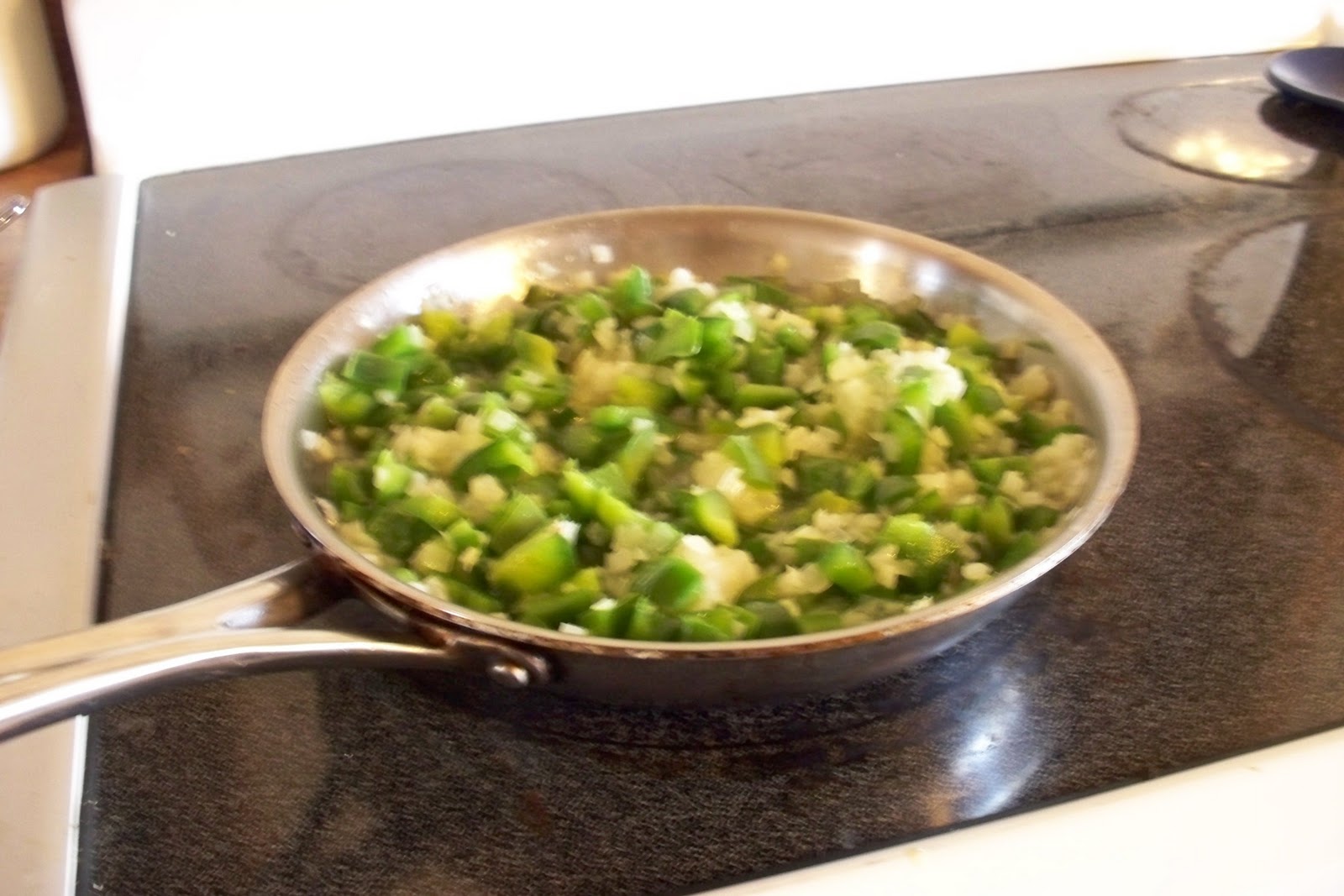
Option 3 (stove top): Heat oil over high heat. Working in batches, add chicken and cook until brown on all sides. Transfer chicken to platter. Reduce heat to medium-high; add onion, bell peppers, parsley and garlic to pot. Sauté until onions are tender. Add sausage, bay leaves, and spices; sauté until spices are fragrant and flavors blend. Add rice; stir to coat.
Pour broth over rice mixture in pot. Add chicken; press to submerge in liquid. Bring to boil. Reduce heat to low, cover and cook until liquid is absorbed and rice is tender. Remove bay leaves. Season with more cayenne pepper, if desired. Serve hot. 

Wednesday, January 12, 2011

Making Meade (Honey Wine)

I got an email from our beekeeper's association that reminded us of our upcoming meeting. This month's meeting they will be discussing the making of Meade (Mead). I got excited and decided that since this week's project is completed I would post a new project, Making Meade. One problem... I don't have any already made, so this project is going to have to get started today and not be finished for months! So here is the recipe, instructions and pictures of my Meade making today and periodically I will show updates on the meade as we go! :)


Ingredients:
1 Gallon of Spring Water (room temperature, do not get refrigerated)
3 pounds of honey – pure unprocessed
1 balloon big enough to stretch over the mouth of the spring water jug
2 ½ tsp Yeast (1 Package)
25 raisins (1 small box)
1 Orange
(Scale if necessary to weigh honey)


Making the meade:

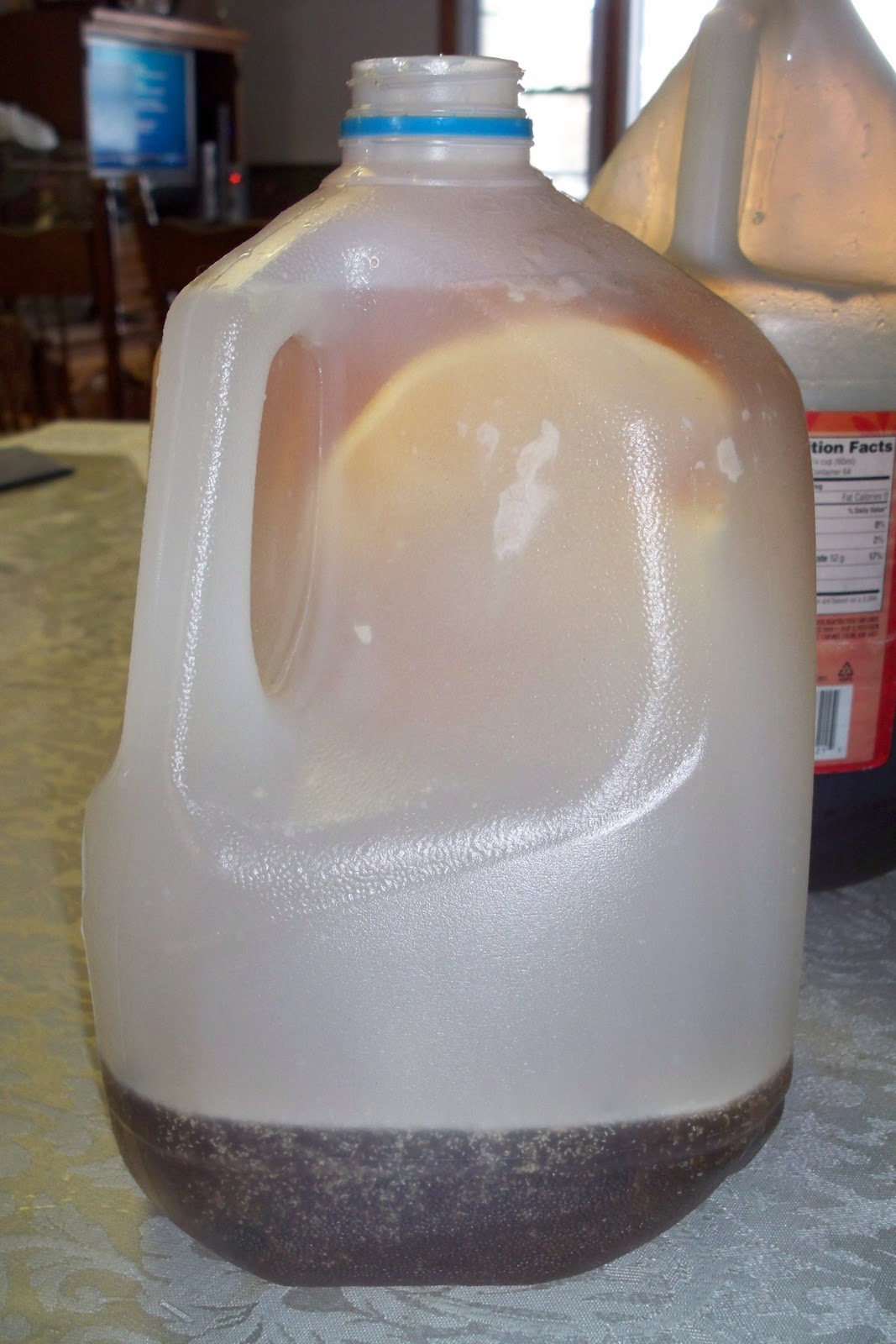
Ok, so I have to weigh the honey ‘cause we have it in gallon jugs… but it is about a quart (a little more). Pour about half of the water from the jug into a clean container. Slice up the orange into eight slices. Put the oranges, honey, twenty-five raisins (I used a few more than that), and the yeast into the jug. 
Looking down inside the jug with raisins, oranges and water.
Pour some of the water back into the jug so the level is a couple of inches from the top. 

All ingredients before shaking, see honey in the bottom and oranges floating on top.


Put the cap on the jug and shake it up well. If you can, you should shake it for a good five minutes. This will aerate the mixture. The yeast really needs lots of oxygen to grow well.

After shaking


Poke a pinhole in the top of the balloon with a straight pin or needle, remove the cap from your jug and put the balloon right over the mouth of the jug. Stretch the open end of the balloon right over the jug so that as the gases form inside the jug they will inflate the balloon. (This works for making vinegar, too!) Put a rubber band or tape around the neck to keep it firmly in place so it won’t come off.  I also removed the little ring that was left from the lid to ensure that the balloon stayed on. Leave the jug on a counter for the first day so you can monitor it. Up to this point it took me about 10 minutes. Now we wait.

Sitting on the cupboard with the kefir.

Now, somewhere between an hour and twenty-four hours later the balloon will start to inflate. This means that your yeast is growing and transforming the contents of the jug into wine. Gases are forming inside the jug and are escaping through the pinhole. This setup insures gases escape but no contaminants get into your wine. If the balloon is getting big you may need to poke another hole or two in it. You don’t want it to burst. It would leave your meade open to contamination. 


Once you are satisfied that the gases are escaping and the balloon is not under unusual stress you can set the jug in a cool dry place like a kitchen cabinet or pantry shelf. Check on it every day if you can, just to make sure it is ok and the balloon hasn’t popped off. I exploded a gallon jug of vinegar once in the pantry, so keep an eye on it daily.

After two to three weeks the major portion of the fermenting will be done and the balloon will be limp. Transfer the liquid to a glass jug leaving the orange slices and raisins behind. Put the balloon on the new jug. This process is called racking and it will move your meade along nicely. You can taste a little bit to see how it is coming along, but it isn’t really a tasty wine at this point. It needs another couple of months to start to get delicious. Over time, as you check on it you will notice that the cloudiness disappears and it slowly clarifies and transforms into wine.

The Orange and the raisins can stay in the mixture for the whole duration but if you want to make the meade a little milder and help it clarify faster you can transfer the liquid into the gallon jug with the balloon on it.

Some Tips 
You can make the honey easier to pour by letting it stand in a sink or bowl of warm water. And you can experiment with the flavor a bit by adding a cinnamon stick or a pinch of nutmeg, one or two cloves or other spice or fruit to the batch when you add the orange. Be careful, cloves are very strong so don't put more than 2. Don’t leave the raisins out. They are not there for taste. They are necessary for the yeast because honey is a bit low in the nutrients that yeast like. If the honey is a bit expensive you can cut this down to two pounds. Any quantity between two and three and a half pounds will work well and the more honey you put the sweeter the meade will be. But, the more honey you put the longer it will take to mature.

Finally
Be patient and taste your meade every few weeks. It should be really clear and delicious after a few months. It will continue to age and improve over a long period of time so the longer you wait the better it will get. If you are struggling with this then you should probably make another batch! Try to wait six months if you can!